
Vintage Boats-HINs-Model Names-Serial Numbers
For Boats Made Prior to 1972
How to determine make model and year for your vintage boat.
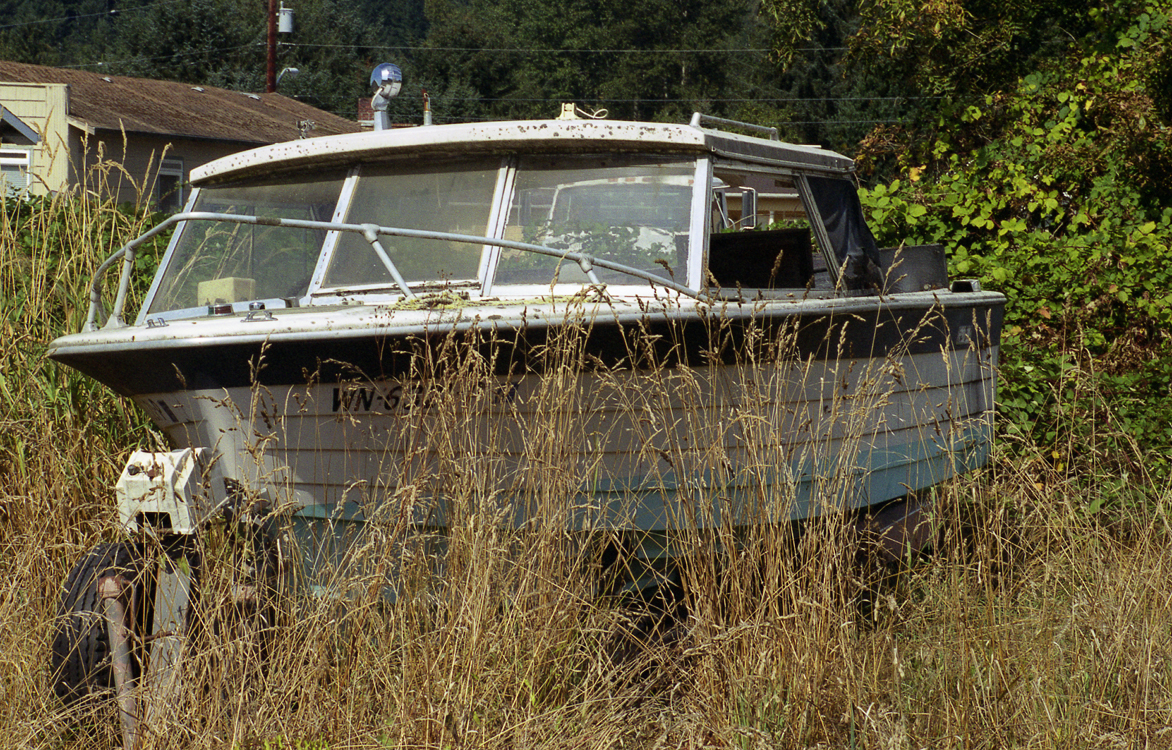
You have just bought an old boat and trailer. You intend to restore it or rebuild it so you can go fishing or pull the kids behind it on water toys. However, you need to figure out what make it is and model, and year it was made.
Get The Paperwork: First: if you bought it and it is currently registered, make sure you get a bill of sale, and registration for both the boat and the trailer. Many states also issue a Title for boats and trailers. Make sure you get these. You will need them when you try to transfer the registration to yourself. Plus some states charge sales tax and personal property taxes. If you rebuild the boat keep your receipts for materials. How much you spent will determine the sales tax and the value of the boat.
What about boats that have been sitting in someone's fields or barn for years? The registered owner has passed and the family or current owner has no paperwork? At least get a bill of sale. What if you were just given the boat? The same applies. You need some documentation to prove you own the boat.
If no paperwork exists, how do you determine make, model and year?
Taking one or two photos and posting them on line is just going to be futile. There are over 4000 boat manufacturers in the USA and another 700-800 in Canada. Boat builders copy the look of popular boats. The Boston Whaler 13 footer is probably the most copied boat ever. There are currently at least 4 manufacturers that make boats that look very similar to the 13 foot Whaler. Plus that, boat companies change hands frequently. They just keep making the same boat but give them a different brand name. A fine example is Fiberform, which was located in Spokane, Washington. It was very popular in the Northwest part of the USA. Bayliner bought it and just kept making the same boats but calling them Bayliners. My point is, it is sometimes very hard to distinguish one brand from another because they look alike. Another fine example is Chris Craft which was famous for their wood boats long before they switched to fiberglass. A lot of boat builders copied the look of Chris Craft.
Then there are home built boats. A company called Glen-L has been selling kits and plans since 1953. I used to see their ads in magazines back in the 60's. If a person has some skill with wood they can build a boat that looks just like a professionally built boat.
Inspect The Boat: First, examine the boat thoroughly. Look for any labels or plates (sometimes metal or plastic). Vintage boats were made long before the US Coast Guard began requiring Hull Identification Numbers, if you find a boat with a valid twelve digit HIN, it was built after 1972. Also the current types of capacity labels used in the USA are yellow with black lettering, so if you see a yellow label on the boat it was made after 1972. See Labels.
However, there is hope. In the 1950s and 60s many major manufacturers of boats were members of the Boating Industry Association (BIA), the predecessor to the National Marine Manufacturers Association, and their members were required to put a capacity label on the boat that has the manufacturer name, and some times the model name. Unfortunately a lot of regional small volume or custom builders were not members. So its likely you won't find a BIA label. But I have seen boats that had the manufacturers (builders) name on a metal plate on the dash or other prominent place.
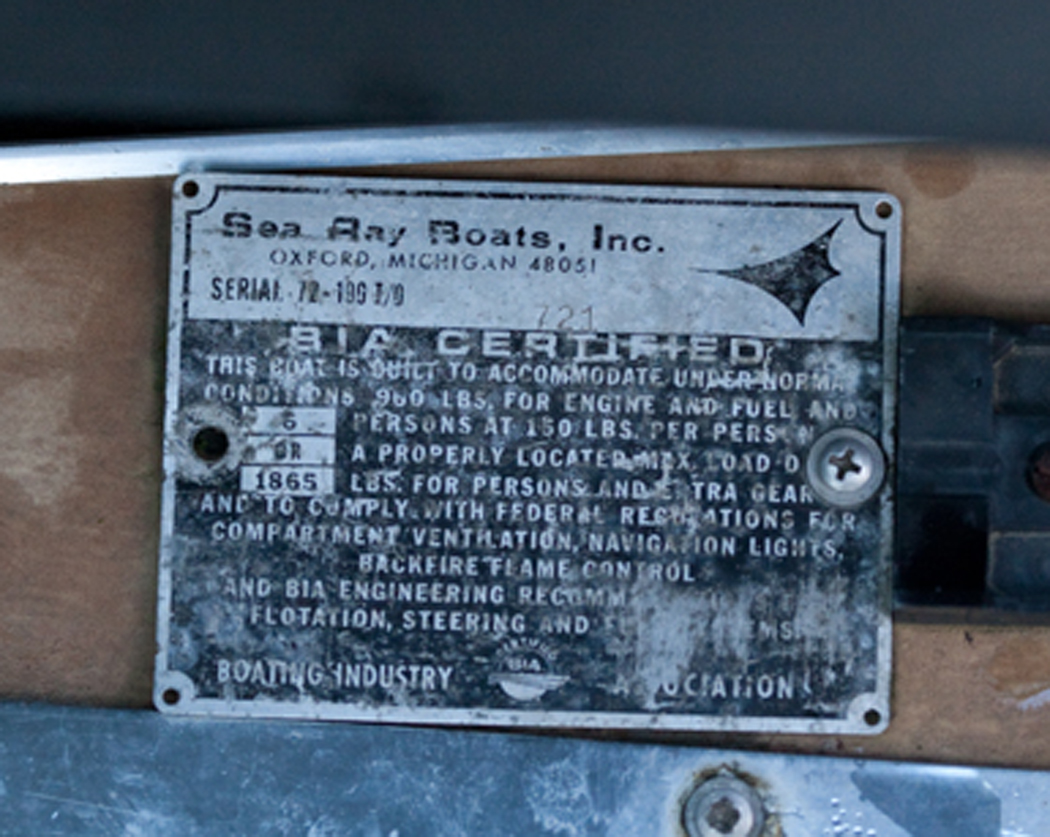
Manufacturers Plate: The Plate above is from the 1973 Sea Ray 190 SRV that I owned for eight years. (see Rebirth Of a Sea Ray, Yes, it should have an HIN and a current Capacity Label, but it was actually built in 1972 before the Federal Regulations took effect.)
The Serial Number is not an HIN. But it does give the year it was built, 1972, (this was not universal practice) the capacities, and the manufacturer location. Because this boat is an inboard it doesn't give the horsepower, but if the boat were an outboard it would have the outboard rating. However, not all Boatbuilders were members of BIA. Those boats may not have a label.
Photographs: What do you do if there is no manufacturers plate? Take lots of clear pictures of the boat. Take them from the front, back, both sides and the interior from all four directions and above. Take photos of any other labels on the boat especially labels or logos on steering wheels, dash instruments, and the shift/throttle controller. Anything that could help others identify what brand the boat is. Some manufacturers only use certain brands for steering gear and controllers.
Hint: Most inboard boats have a built in fuel tank. If the boat has a fixed fuel tank and the tank has not been changed, that is, it is the original tank, it might have a label on the tank that gives the year of manufacture for the tank. That will give you a hint at what year the boat was built. It's a slim chance but its worth taking a look, especially if it has a Boating Industry Label on the boat. Be careful. There may be fuel in the tank. Do not use anything that could cause a spark. Use a camera with a built in flash or your cell phone.
Make sure you take the photos on a day with good lighting. Make sure they are in focus in all parts of the photograph.
If the boat has an engine, either inboard or outboard, take photos of the engine. If you can, get a photo of the serial number of the engine. If it is the same year as the boat it can help determine when the boat was first sold.
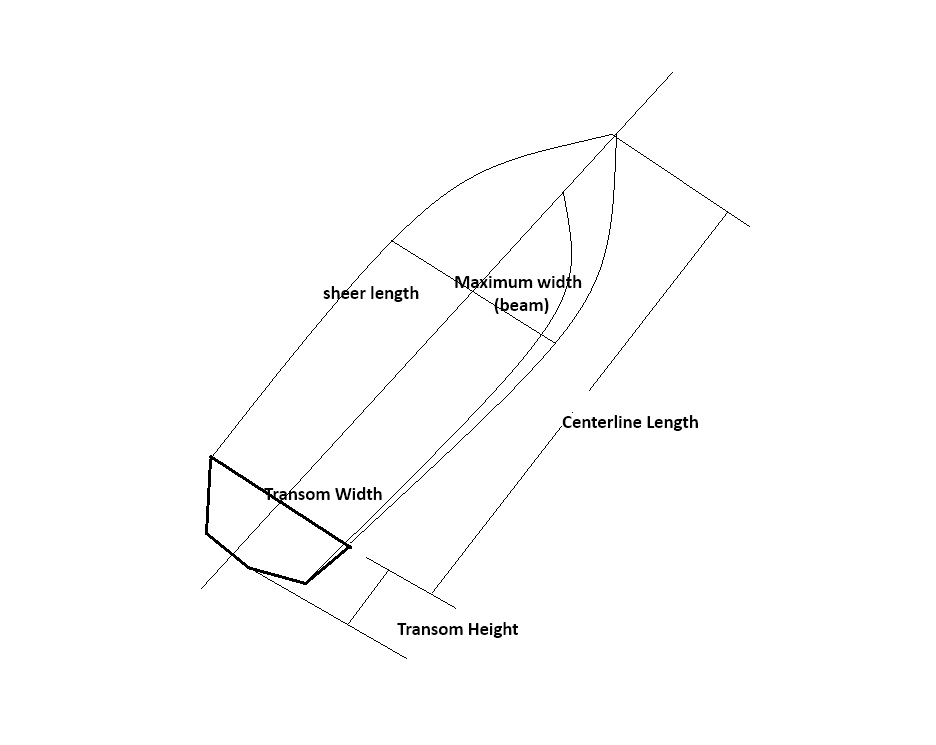
Measure the boat: Take centerline length, and maximum width. But you also need to measure the transom at its widest part, and around the sheer of the boat. Thats because many manufacturers in the 50's and 60s listed their boat as longer than they really are. They used the length around the sheer. So a boat that's a 17 foot model may only be 15 feet long. However, they used the same formula for outboard horsepower as is now used by the Coast Guard. The formula uses the centerline length and the maximum transom width.
Where to Look For More Information: With this information, there are websites that can help you. Do a search on groups in Facebook. There are several that are specifically for vintage boats. For Instance, Share Your Vintage Boats, and Boat Restore And Repair. Many popular vintage boats have owners groups on Facebook, and individual web sites. Sea Ray has one called Club Sea Ray. There are ones for Chris Craft, Glastron, Hammond, Bayliner, and others. I have seen groups on Facebook for Starcraft, Fiberform, Tollycraft, IMP, Sidewinder, and others.
There are other websites that can help. My favorite is Fiberglassics. It also features classic metal or wood boats as well as fiberglass. They have a library of old brochures, some going back to the 1950s. A site called iboats has information on some vintage boats.
Derelict Boats: For derelict boats it's a whole different situation. There are laws about who can or can't take derelict boats. Some people think if the boat is derelict or abandoned, they can take it. Actually, that is theft. Salvage laws don't allow it, and most states have laws about ownership of derelict or abandoned boats. The boat still belongs to someone and that someone is still legally responsible for disposal of the boat, as well as clean up if the boat has caused a fuel spill or other contamination. If you just take it the boat owner can come after you for theft.
So what do you need to do if you find an abandoned or derelict boat? The laws about derelict boats vary from state to state. You need to contact the state Boating Law Administrator (BLA). Every State and US Territory has one. You can look them up at the National State Boating Law Administrator Association Website.
You need to identify who the owner is.
Contact the owner and get their written permission to remove the boat. You need to get any registration or title documnets for the boat.
You need to handle it the same as if you bought the boat. Document it!
If you cannot identify who the boat belongs to, there are laws in all states for how you can get legal possesion of the boat. Call your state BLA
|
|
|
This Web site may contain copyrighted material the use of which has not always been specifically authorized by the copyright owner. I am making such material available in my efforts to advance understanding of educational, economic, and scientific issues, etc. I believe this constitutes a "fair use" of any such copyrighted material as provided for in section 107 of the US Copyright Law. In accordance with Title 17 U.S.C. Section 107, the material on this Web site is distributed without profit to those who have expressed a prior interest in receiving the included nformation for nonprofit educational purposes. For more information see: w.law.cornell.edu/uscode/17/107.shtml. If you wish to use copyrighted material from this Web site for purposes of your own that go beyond "fair use", you must obtain permission from the copyright owner. |